In today’s fast-paced, interconnected world, security threats never rest—and neither can your defenses. From an intruder at an office building to a safety issue on a school campus, a breach at an airport, or a critical incident in a hospital, the risks are constant, evolving, and industry-spanning.
The cost of failing to close security gaps is high—both financially and reputationally. That’s why forward-thinking organizations are shifting from reactive measures to proactive, around-the-clock strategies designed to identify threats early and respond fast.
To build a proactive, 24/7 security program without gaps, you need a multi-layered defense strategy. That includes highly trained professionals, integrated technology, and a centralized operations hub capable of monitoring and responding at any hour. Here’s how to strengthen your security posture with these components—along with real-world examples from education, commercial properties, warehouse and distribution centers, airports, and healthcare.
Trained Security Professionals: The First Line of Defense
No matter how advanced your technology is, expertly trained security officers remain your most valuable asset. These professionals are often the first to identify and respond to threats in real time—de-escalating volatile situations, deterring criminal activity, and providing peace of mind for those they protect.
In the education sector, institutions that invest in officers with specialized training in conflict resolution and emergency response don’t just keep students safe—they protect their reputations and budgets. According to research by RTI International serious incidents of school violence can cost as much as $500,000 per occurrence, with national victim costs totaling $57 million annually. A well-trained security team help mitigate these risks before they escalate.
In airports—where public spaces intersect with high-risk environments—officers require advanced training in terrorism awareness, behavioral detection, and emergency protocols. The 2017 incident at the Fort Lauderdale-Hollywood International Airport, which resulted in five fatalities, underscores the need for fast, coordinated responses from a well-prepared security team.
Healthcare facilities face a different kind of challenge. Emergency departments, behavioral health units, and maternity wards can be emotionally charged environments. The American College of Emergency Physicians and the Emergency Nurses Association reported that nearly 70% of emergency room staff have been physically assaulted in their careers. Skilled officers who understand how to manage aggressive behavior and support clinical staff are essential to creating a safer care environment.
Integrated Technology: Enhancing Security with Smart Systems
While people remain the heart of any security program, technology provides the eyes and ears that extend coverage 24/7. Integrated systems—such as AI-enhanced surveillance, access control, and real-time alerting—create a layered approach that amplifies human capabilities and closes critical gaps.
In commercial properties, modern security tech integrations help detect and respond to threats across multiple entry points and high-traffic areas. Smart cameras can identify suspicious behavior, while access control systems track who enters and exits—data that’s not only vital in the moment, but essential for incident review and compliance reporting.
In healthcare, technology plays a key role in securing restricted areas like pharmacies, newborn units, and medical record rooms. Integrated video surveillance and door control systems help maintain patient privacy, reduce liability, and ensure compliance with HIPAA and Joint Commission standards.
For warehouses, retail, and distribution centers—environments where high-value inventory and high-volume traffic intersect—technology such as RFID, intrusion detection, and environmental sensors play a vital role in preventing theft and enforcing safety standards. The cost of a single theft incident can range from $5,000 to $50,000, with the National Insurance Crime Bureau (NICB) estimating that cargo theft incidents in the U.S. result in annual losses estimated between $15 billion and $35 billion. These statistics highlight the importance of proactive monitoring to maintain operational continuity.
24/7 Security Operations Hub (GSOC): The Nerve Center of Modern Security Programs
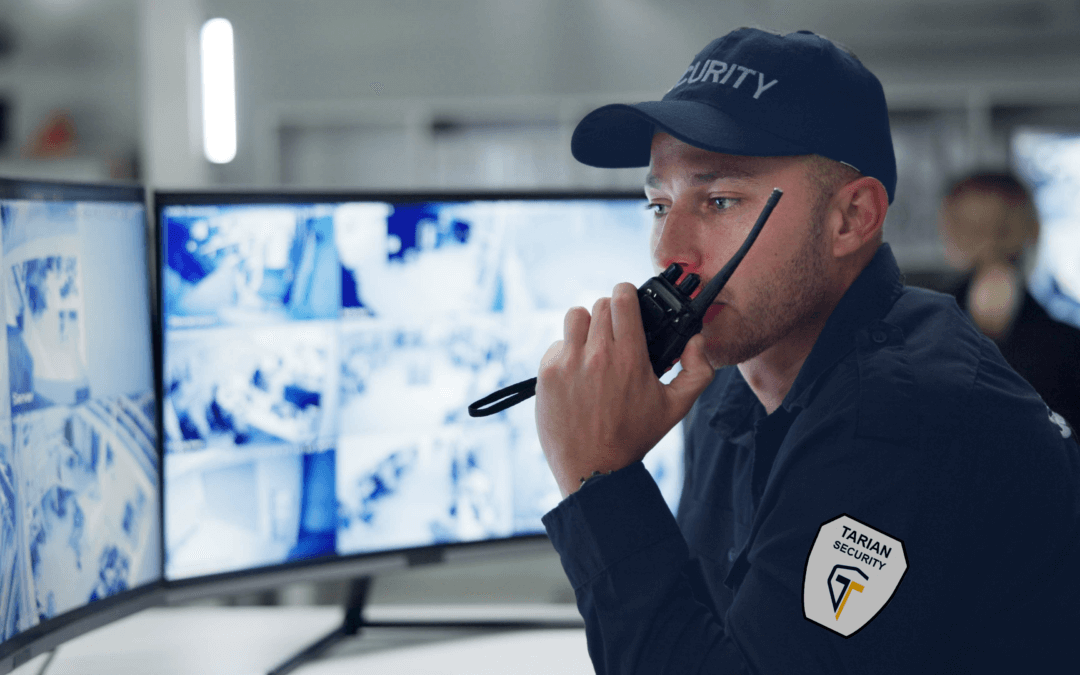
At the core of any gap-free security program is a centralized security operations hub, or Global Security Operations Center (GSOC). A GSOC unifies intelligence gathering, real-time surveillance, threat detection, and incident response. It enables organizations to monitor multiple locations, coordinate responses, and support on-site teams—all in real time, 24 hours a day.
In the education sector, a GSOC can integrate surveillance, alarm systems, and emergency communications to ensure consistent monitoring across K-12 campuses and universities. Whether it’s detecting unauthorized access or coordinating lockdown procedures, a GSOC provides the agility and oversight needed to act immediately and effectively.
For commercial properties and corporate campuses, a GSOC delivers visibility across geographically dispersed locations. It enables property managers and facility directors to maintain a real-time view of their security infrastructure and to respond quickly to issues—whether it’s a break-in at a retail location or a system failure at a high-rise headquarters.
In warehouse and logistics environments, GSOCs offer essential oversight of personnel, inventory, and facility safety. In the event of a breach, fire, or systems alert, operators can instantly deploy security personnel, notify leadership, and coordinate with emergency responders—all while maintaining a clear audit trail.
Airports benefit enormously from GSOCs by centralizing the monitoring of passenger terminals, baggage handling areas, restricted zones, and parking facilities. A GSOC ensures quick triage of alerts and rapid escalation when needed, especially in response to bomb threats, unattended luggage, or suspicious behavior.
And in healthcare, GSOCs integrate hospital security systems, real-time surveillance, and emergency communication. They allow for rapid coordination between internal hospital teams and first responders—minimizing delays and safeguarding patients, providers, and vital infrastructure.
Building a 24/7 Security Program: The Right Strategy for Your Industry
In a world where risk never sleeps, vigilance isn’t optional—it’s operational excellence.
Whether you manage a hospital, a school district, an airport, a warehouse network, or a commercial real estate portfolio, the foundation of a proactive security strategy remains the same: highly trained professionals, intelligent technology, and centralized coordination.
Tarian helps organizations across critical industries implement customized, 24/7 security programs that bridge gaps, build resilience, and drive operational continuity. With deep expertise in sector-specific threats, we deliver scalable, integrated solutions that adapt to your environment and respond to your risks—around the clock.Download our whitepaper, “Unlocking Operational Excellence: How GSOC Solutions Level Up Security Programs,” or connect with our experts to build a security strategy without gaps—for enterprise success.