
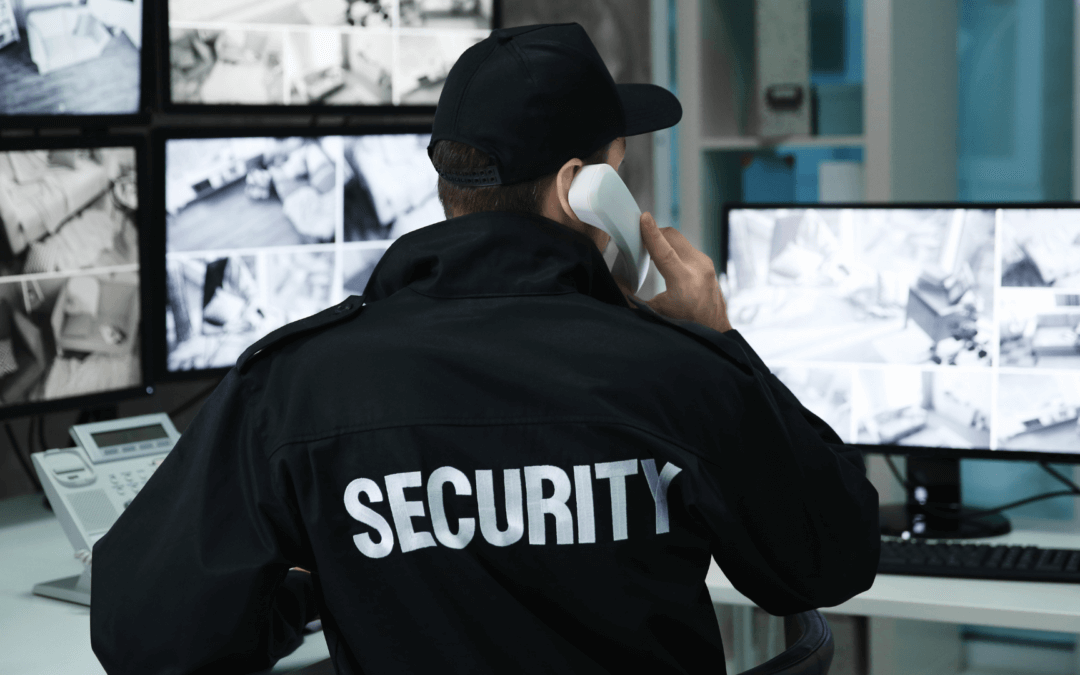
Security officers are the backbone of safety and order, often working long or 12‑hour shifts and night shifts in demanding environments. Whether you’re posted at an access control point, patrolling, or monitoring cameras, staying alert during extended shifts is essential for your performance, site safety, and your own wellbeing. Unchecked guard fatigue can slow reaction times and raise incident risk, which is why a proactive, evidence‑based approach matters.
Why Guard Fatigue Matters for Safety and Performance
Fatigue isn’t just feeling tired, it impairs decision‑making, slows response times, and increases the likelihood of errors that can lead to safety breaches or missed threats. For teams, persistent fatigue can also damage morale and increase turnover. Treat fatigue as an operational risk, not a personal failing.
Common Causes of Security Officer Fatigue
Security work naturally elevates fatigue risk. The biggest contributors include:
- Sleep deprivation from overnight or rotating schedules
- Irregular shift patterns that disrupt circadian rhythm
- Dehydration and poor nutrition that trigger energy crashes
- Mental strain from constant vigilance
- Physical exhaustion from prolonged standing or repetitive patrols
When you identify your primary fatigue drivers, often a combination, you can target the right fixes and maintain alertness more consistently.
Sleep Hygiene: Preparing for Long or Night Shifts
Alertness starts before you clock in. Build a plan that protects your sleep and recovery:
- Aim for 7–8 hours whenever possible
- Create a sleep‑friendly environment (dark, quiet, cool)
- Avoid screens before bed to limit blue‑light disruption
- If you work night shift security, use blackout curtains and white noise to improve daytime sleep
- Keep your pre‑shift routine consistent, even on days off when feasible
Hydration & Nutrition: On‑Shift Fuel for Sustained Alertness
Hydration schedule: Set reminders to sip water regularly during patrols or while monitoring cameras. Even mild dehydration can cause headaches, sluggishness, and reduced concentration. Keep a refillable bottle within reach. Consider electrolytes in moderation for hot or outdoor posts.
Smart nutrition:
- Build balanced meals with lean protein, complex carbs, and healthy fats
- Snack wisely (nuts, fruit, yogurt) to avoid sugar crashes
- Avoid heavy meals mid‑shift; they can increase sluggishness
- Plan ahead: pack options so you don’t rely on vending machines or fast food
Mindfulness & Mental Strategies to Stay Sharp on Post
- Micro–breaks: Take 2 to 3 minutes every hour to breathe deeply. Use this time to reset and refocus, especially during boring tasks like CCTV monitoring.
- Grounding: Note what you see, hear, and feel to stay present.
- Positive self‑talk: Remind yourself why your role matters and that you’re prepared to handle what comes.
- Mental stimulation: Rotate tasks when possible and use quick “mind games” (e.g., brief memory drills) during safe downtime.
Quick Movement & Micro‑Breaks to Beat Fatigue
Sitting or standing too long leads to stiffness and fatigue. Integrate movement:
- Stretch hourly: neck rolls, shoulder shrugs, calf and hip flexor stretches
- Walk when possible: short walks can refresh mind and body
- Posture check: stack ears‑shoulders‑hips to reduce strain
- Establish a simple micro‑break protocol between patrol segments to keep circulation up and energy steady.
Scheduling, Breaks, and Manager Support
Smart scheduling strategies reduce security guard fatigue across teams. Try avoiding back‑to‑backs, plan reliable break schedules, and distribute overnight assignments more predictably when feasible. Managers should encourage open communication about workload, fatigue, and realistic staffing.
If your site uses rotating shifts, protect recovery windows and limit abrupt day‑to‑night flips to reduce rotating‑shift fatigue. For 12‑hour shifts, expect alertness to wane late in the shift. Schedule micro‑breaks and, when possible, vary tasks to counter monotony.
The ROI of Supporting Security Officer Wellness
Alert officers = safer facilities. Providing hydration stations, healthy snacks, and rest areas, plus reinforcing break adherence and predictable rotations, helps reduce incidents and improve response times protecting both people and property. That support shows up in fewer errors, stronger client trust, and better retention.
Staying alert isn’t about willpower alone, it’s about strategy. With better sleep hygiene, hydration and nutrition, mindfulness and micro‑breaks, and supportive schedules, security officers on day, rotating, or graveyard shifts can keep performance high and risk low. Your alertness protects lives, property, and peace of mind. Take care of yourself so you can take care of others.