Insights from Bryan Bowden, Aviation Director at Tarian
Airport security programs are often evaluated based on compliance metrics, audit results, and their ability to prevent incidents. While these measures remain critical, today’s most effective airport security operations deliver value that extends far beyond regulatory requirements.
According to Bryan Bowden, Aviation Director at Tarian, the most effective airport security programs do far more than protect people and assets, they serve as strategic partners in achieving operational excellence. That perspective is informed by more than 12 years of aviation security and airport operations experience, including roles in airport operations, aircraft rescue and firefighting (ARFF), access control and regulatory compliance, and security leadership at major U.S. airports. Having worked across nearly every facet of airport operations and security, Bryan has seen firsthand how well-integrated security programs can strengthen resilience, improve efficiency, and support an airport’s long-term strategic objectives.
Here are five ways Tarian airport security programs are creating operational value beyond traditional security functions.
1. Integrating Security into Operational Planning
Many airports maintain well-developed emergency management plans involving local law enforcement, fire services, emergency responders, and transportation agencies.
The high-performing airport security programs Tarian operates ensure that security personnel have clearly defined roles within broader operational and emergency response plans. By incorporating contract security teams into exercises and preparedness initiatives, airports can improve coordination and better leverage available resources when incidents occur.
The result is not only stronger security but greater operational resilience.
2. Developing Leaders at Every Level
While technology continues to transform aviation security, people remain the foundation of every successful security program. One of the strongest characteristics of effective security organizations is a commitment to leadership development.
Tarian’s aviation security programs invest in preparing employees for future responsibilities. Supervisors are developed to become managers. Officers are trained to become supervisors. Emerging leaders receive opportunities to expand their skills and decision-making capabilities. This approach creates a culture of continuous improvement that benefits the entire organization.
When employees understand career pathways and receive meaningful development opportunities, engagement often increases, turnover decreases, and performance improves. Leadership development is an operational strategy in as much as it is a workforce initiative.
3. Using Data to Prevent Problems Before They Occur
Modern airport security programs use data in a more thoughtful way than ever before. Tarian equips its aviation security teams to analyze operational metrics, including:
- Alarm response times
- Patrol completion rates
- Access control activity
- Inspection performance
- Incident trends
- Workforce analytics
When security officers monitor these indicators, security leaders can identify vulnerabilities, measure effectiveness, and address issues early. The ability to transform operational data into actionable insights is becoming a defining characteristic of successful aviation security programs.
4. Addressing Staffing Challenges Through Proactive Workforce Strategies
High-performing airport security programs understand that workforce management cannot be reactive. As a result, our aviation operations security leadership prioritize:
- Maintaining active recruiting pipelines
- Developing flexible scheduling models
- Preparing contingency staffing plans for weather events and operational disruptions
- Improving employee communication
- Recognizing and rewarding strong performance
A stable, engaged workforce not only improves service quality but also reduces operational disruptions associated with vacancies and turnover.
5. Elevating the Passenger Experience Through Security
Airport security is often viewed exclusively through the lens of risk management and compliance. Security personnel, however, frequently help shape the passenger experience, which the traveling public highly values.
For many travelers, a security officer may be the first airport representative they encounter.
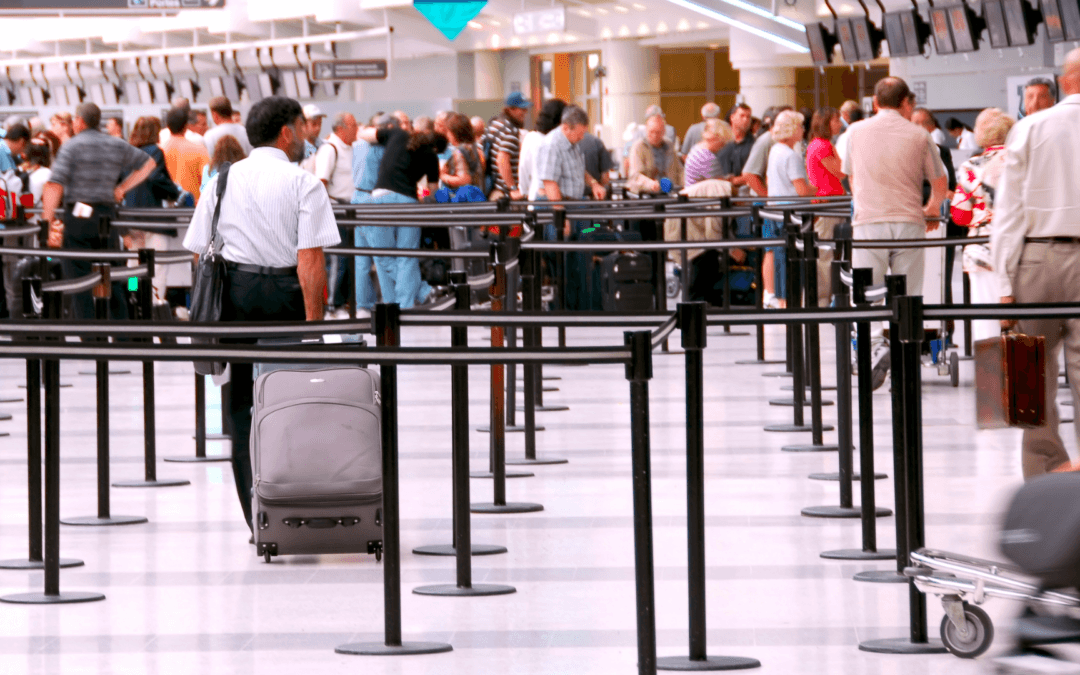
Whether assisting with directions, answering questions, managing crowds, or supporting operational needs, security officers contribute directly to passenger perceptions of the airport. To exceed expectations, Tarian’s security professionals must be capable of serving as:
- Safety ambassadors
- Customer service representatives
- Information resources
- Problem solvers
The most effective programs recognize that security and customer experience are not competing priorities—they are complementary objectives.
Strengthening Airports Through Strategic Security
Airport security is about creating operational value at every level. From emergency preparedness and workforce development to data-driven decision-making and passenger engagement, Tarian’s programs are designed to support the broader goals of airport operations. When security functions as a strategic partner rather than a standalone service, airports can strengthen resilience, improve efficiency, and deliver a better experience for employees, passengers, and stakeholders alike.