
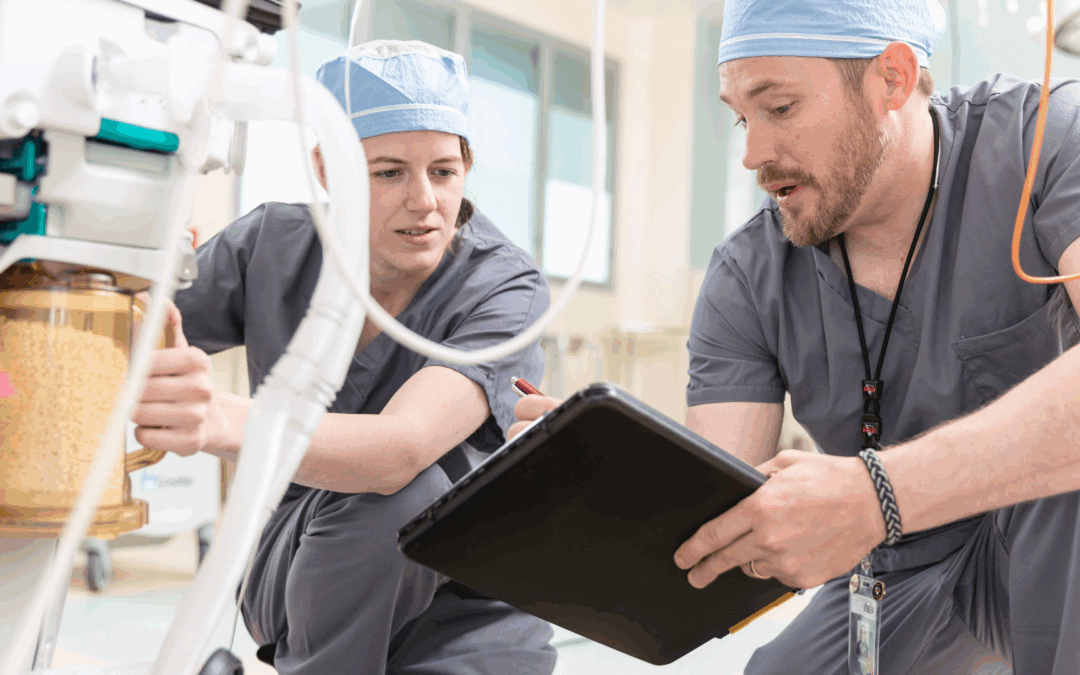
When you step into a hospital room or a clinic, you likely notice the care team and the patient. But in that same space are tools working just as hard—devices monitoring vital signs, delivering medications, or helping perform diagnostics. These machines are essential to modern medicine, and behind each one is a team ensuring it functions flawlessly.
This is the world of Medical Equipment Management (MEM)—a field dedicated to making sure the technology that supports healthcare never misses a beat. While the work often happens behind the scenes, the impact is felt in every patient interaction.
What Is Medical Equipment Management?
Medical Equipment Management refers to the processes that ensure medical devices are safe, functional, and available when needed. It involves regular maintenance, safety testing, troubleshooting, inventory tracking, and compliance documentation.
In healthcare settings, this work touches nearly every department—ICUs, surgical suites, labs, and even mobile health units. Without it, devices can fail, putting patient care and facility operations at risk.
Why it matters:
- Helps prevent equipment-related medical errors
- Ensures readiness during emergencies
- Extends the life of valuable equipment
- Supports regulatory compliance
- Minimizes downtime and costly repairs
The Professionals Behind the Devices
According to the U.S. Bureau of Labor, Medical Equipment Technicians employment is projected to grow 18% from 2023 to 2033, much faster than the average for all occupations. Additionally, the global market size is expected to reach USD 73.37 billion by 2032, up from USD 40.25 billion in 2023.
The technicians, engineers, and specialists who manage medical equipment are highly trained professionals. They work in hospitals, outpatient clinics, research labs, and even remote field settings, often outside of public view.
Their responsibilities include:
- Performing scheduled preventive maintenance
- Calibrating equipment for precision and safety
- Responding to urgent service requests
- Documenting compliance data for audits
- Educating clinical staff on proper equipment use
These individuals may not be on the front lines of patient care, but their work supports every diagnosis, treatment, and recovery.
You Don’t See Them, But You Rely on Them Every Day
One of the defining qualities of medical equipment professionals is that when they do their job well, you don’t notice. There’s no headline for a ventilator working perfectly or a monitor alerting on time. But each of those moments reflects expert planning, testing, and maintenance.
This quiet reliability enables healthcare teams to focus on what they do best—caring for patients—without second-guessing whether their tools will be ready when it counts.
A Broad Reach, A Deep Impact:
Medical Equipment Management spans far more than just hospital walls. These professionals often support multiple facilities across wide geographic areas, traveling to rural hospitals, surgery centers, and specialty clinics to service devices.
In addition to on-site support, many organizations also receive and ship devices—like pipettes, diagnostic tools, and surgical handpieces—for off-site maintenance and calibration. Whether it’s cross-country logistics or high-stakes field service calls, the MEM ecosystem is vast, efficient, and always on the move.
Meeting the Demands of Modern Healthcare and Efficiency When Outsourcing Healthcare Technology Management
As medical technology evolves, so does the need for advanced equipment management. Today’s devices are more connected, more complex, and more integral to care than ever before.
- Modern MEM teams are responsible for:
- Ensuring cybersecurity on connected devices
- Integrating new technologies into existing systems
- Making data-driven decisions on equipment use and replacement
- Supporting sustainability by extending the life of devices
- Preparing for audits and regulatory inspections
This shift requires technical expertise, adaptability, and a commitment to continuous learning. It’s not just about fixing equipment—it’s about managing risk, enabling innovation, and supporting better outcomes.
To meet these increasing demands, many healthcare organizations are turning to outsourced Healthcare Technology Management (HTM) services. Outsourcing HTM can provide significant cost savings and operational efficiencies. Labor costs are reduced by eliminating the need to hire, train, and retain in-house biomedical technicians, while equipment downtime is minimized through proactive maintenance and faster response times. This extends asset life and reduces the need for costly emergency repairs. With improved capital planning driven by asset utilization data, hospitals can make smarter purchasing decisions and avoid unnecessary equipment acquisitions. Vendor consolidation further reduces administrative overhead and takes advantage of bulk purchasing for parts and services.
Operationally, outsourced HTM introduces advanced data analytics, offering insights into equipment performance and failure trends. It also scales easily to meet fluctuating demand—such as during service line expansions or emergency responses—without straining internal resources. Centralized inventory tracking reduces loss and keeps critical devices available, while field technicians provide faster turnaround in remote areas. Most importantly, outsourcing allows clinical teams to stay focused on patient care, while leadership can prioritize strategic goals without being pulled into technical management.
Savings Metrics From Industry Case Studies
The value of medical equipment management isn’t just seen in smoother operations—it’s backed by data. Industry leaders like the Association for the Advancement of Medical Instrumentation (AAMI) and the Healthcare Financial Management Association (HFMA) have all pointed to the measurable impact of strong Healthcare Technology Management (HTM) programs. From lowering costs and reducing downtime to extending equipment life and supporting compliance, the numbers make one thing clear: when medical equipment is managed well, the entire healthcare system runs better.
- 15–25% reduction in total cost of ownership (TCO) for medical equipment.
- 10–20% improvement in equipment uptime and availability.
- 20–30% decrease in capital equipment replacement costs through better asset management.
- Up to 50% reduction in service contract expenses via contract consolidation.
- Up to 25% increase in operational efficiency and quality of service.
A Quiet Force in Patient Safety and Facility Compliance
A large healthcare system outsourced sterilization equipment management. By leveraging the vendor’s preventive maintenance and real-time monitoring technology, they identified an emerging failure in a sterilizer before a major surgical day. Early repair ensured all surgical instruments were properly sterilized and available, preventing surgery cancellations and reducing infection risk.
Another hospital avoided costly fines and the risk of patient harm by outsourcing calibration and safety testing of infusion pumps. The HTM provider’s strict compliance protocols caught several devices with subtle electrical faults that could cause medication errors, allowing timely repair and reducing risk of patient harm.
These are just a couple of examples that show how outsourcing Healthcare Technology Management isn’t just about keeping things running smoothly—it plays a vital role in patient safety and the quality of care. When the right support is in place, healthcare teams can stay focused on what matters most: delivering the best possible outcomes for their patients.
Even though you may not see them, the professionals in Medical Equipment Management are critical to delivering high-quality healthcare. Their expertise protects patients, supports clinicians, and keeps facilities compliant and efficient.
So the next time equipment works exactly as expected, remember—it didn’t happen by chance. It happened because someone took the time to make sure it would.
Ready to get started? Fill out our form to connect with a medical equipment management expert who’s here to help you with all your needs.