
Why Situational Awareness is a Game-Changer in Security
In the dynamic and ever-evolving world of security, one skill consistently separates excellence from adequacy: situational awareness. More than just an essential practice, situational awareness forms the foundation of proactive decision-making and effective security operations. When layered with technology solutions, such as virtual monitoring with AI capabilities, it becomes a true preemptive force multiplier—enabling the ability to not only detect threats but to mitigate them before escalation. The ability to observe, interpret, and act in real-time transforms security officers into true protectors, ensuring the safety of people and assets while preventing potential threats from materializing.
This principle isn’t just critical for security officers; it’s a cornerstone for businesses and organizations seeking the right security partner. By prioritizing this skill through targeted training, recruitment of skilled talent, and a commitment to service excellence, the best security providers distinguish themselves apart from the rest.
What is Situational Awareness
Situational awareness is the ability to perceive your environment, understand its context, and anticipate risks or changes. Department of Homeland Security (DHS) guidance defines it as “being aware of what is happening around you and understanding how information, events and actions will impact your safety and security.” It’s a skill that requires focus, adaptability, and ongoing refinement.
For security officers, this means reading the environment in detail—whether it’s identifying non-verbal cues of escalating behavior, noticing an out-of-place object, or spotting vulnerabilities like unsecured access points. The goal is to always be a step ahead of potential threats.
Real-World Impact: How Situational Awareness Prevents Incidents
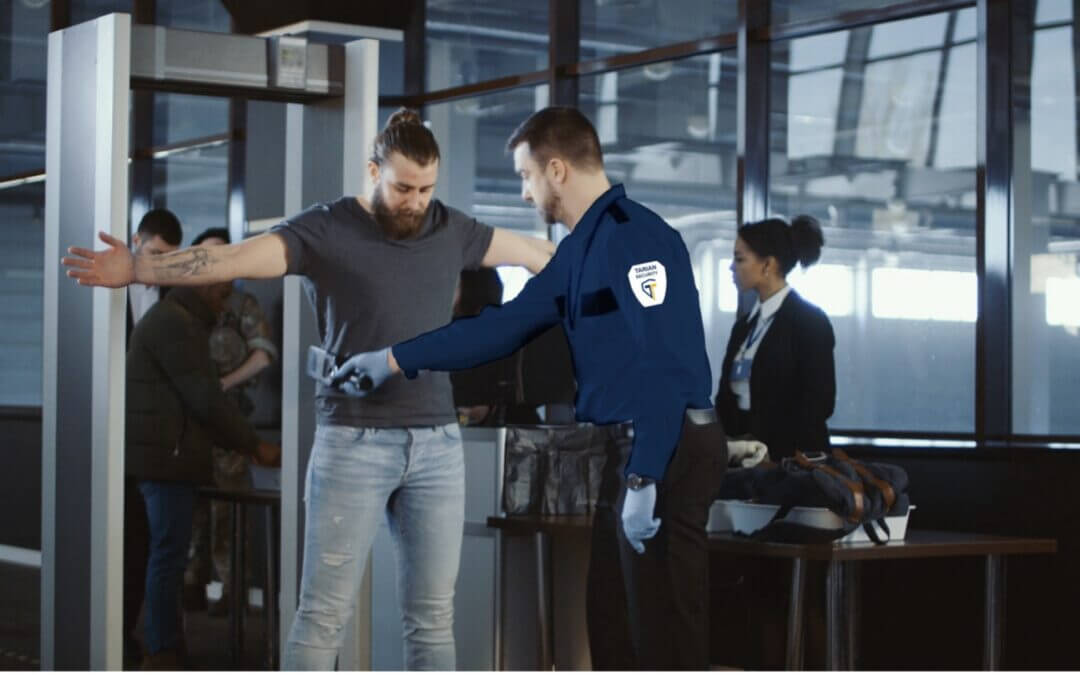
Situational awareness is not just about preventing accidents; it can be the deciding factor in stopping potential disasters before they occur. For example, a Tarian security officer at a busy airport demonstrated exceptional situational awareness when he noticed an out-of-place vendor’s bag during a routine inspection. Rather than assuming it was just an oversight, he took a closer look and discovered a handgun inside. His quick action prevented what could have been a serious security breach. Similarly, in a high-stakes emergency room environment, a Tarian security officer recognized the banned ex-partner of an employee who was attempting to gain access to the facility. Acting quickly, the officer detained the individual and, upon searching, discovered weapons on the person, preventing potential harm to both staff and patients.
One of the key takeaways from these examples is how security officers, with the right training and mindset, can prevent incidents that would otherwise escalate into much larger crises.
Training Makes the Difference
As with any skill, situational awareness requires intentional cultivation. Security officers achieve excellence not only through experience but also through targeted training and hands-on, scenario-based exercises. For example, drills that simulate real-world scenarios help officers practice decision-making under pressure. These exercises build muscle memory, ensuring calm and effective responses in high-stake situations.
Training is not limited to classroom lessons; real-world simulations are crucial. For example, mock fire drills, hostage situations, or active shooter scenarios allow officers to engage in high-stress, life-like events, strengthening their response times and decision-making abilities. These drills ensure that officers can remain level-headed in a crisis.
Officers must also stay informed about emerging risks and environmental changes. Access to tools such as real-time surveillance, threat intelligence reports, and clear communication protocols amplifies their ability to maintain situational awareness.
Technology Enhancing Situational Awareness
In addition to keen observation, technology plays a crucial role in enhancing an officer’s situational awareness. Imagine a security officer monitoring a high-traffic area through a series of strategically placed cameras. Through a real-time surveillance system integrated with AI capabilities, the officer can receive instant alerts if a person is identified as “suspicious” or if any abnormal behavior, such as a person loitering too long in a restricted area, is detected.
For example, at a busy corporate campus, a security officer might notice unusual movement in an area that is typically secure. As the officer reviews live footage through the security platform, the system flags a person moving toward an unauthorized door. Using their mobile surveillance access, the officer could immediately contact the control room to lock the door remotely and prevent the individual from accessing the building’s secure sections. In this case, technology helps the officer detect a potential risk and mitigate it before it becomes a serious issue.
In another scenario, imagine a large public event with a crowd of attendees. A security officer operating a Mobile Surveillance Unit (MSU) might notice an individual acting erratically near the entrance. The officer uses the MSU’s portable camera and AI-driven analytics to review the individual’s behavior. Upon identifying suspicious actions, the officer could coordinate with other team members, guiding them to intercept the individual before they are able to breach security. The MSU allows for quick responses and seamless coordination, enhancing the officer’s situational awareness even in a busy, dynamic environment.
In both hypothetical situations, technology—whether through real-time surveillance, mobile surveillance units, or AI-driven analytics—amplifies the officer’s ability to monitor and respond effectively to potential threats. While the officers’ situational awareness remains the key to their effectiveness, these technological tools provide an invaluable layer of support, ensuring that they can protect people and assets swiftly and decisively.
For Organizations, The Right Security Partner is Critical
- Observe Details: Regularly scan your environment for unusual activities, behavior, or objects.
- Use Technology as an Ally: Leverage surveillance systems, access controls, and real-time communication devices to maintain a comprehensive understanding of your surroundings.
- Adapt and Anticipate: Stay flexible and ready to adjust strategies as situations evolve.
- Engage in Continuous Learning: Stay informed about industry trends, emerging threats, and best practices.
- Invest in Organizational Training: Conduct scenario-based training exercises to simulate real-life situations. This hands-on approach allows employees to practice decision-making under pressure, honing their ability to assess and respond to dynamic situations effectively.
A Game-Changer, Every Time
Situational awareness is not merely an individual skill—it’s a collective advantage for organizations and security professionals alike. As the frontline of defense against potential risks, officers equipped with heightened awareness elevate the safety of everyone around them.
For those aspiring to join the security profession, situational awareness is your gateway to success. And for organizations, aligning with a security provider that prioritizes training, strategy, and innovation ensures you’re not just managing risks but proactively preventing them.
As the renowned strategist Sun Tzu wrote, “Victory comes from finding opportunities in problems.” Situational awareness transforms those opportunities into decisive actions, creating safer environments and successful outcomes.
Make situational awareness your game-changer, whether in choosing your security partner or honing your professional expertise.